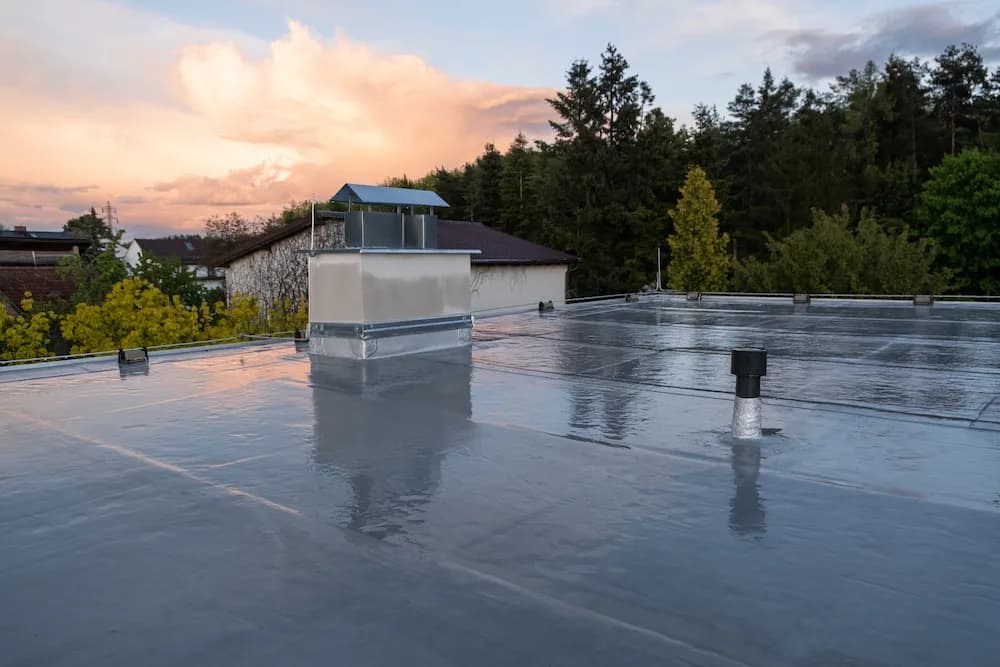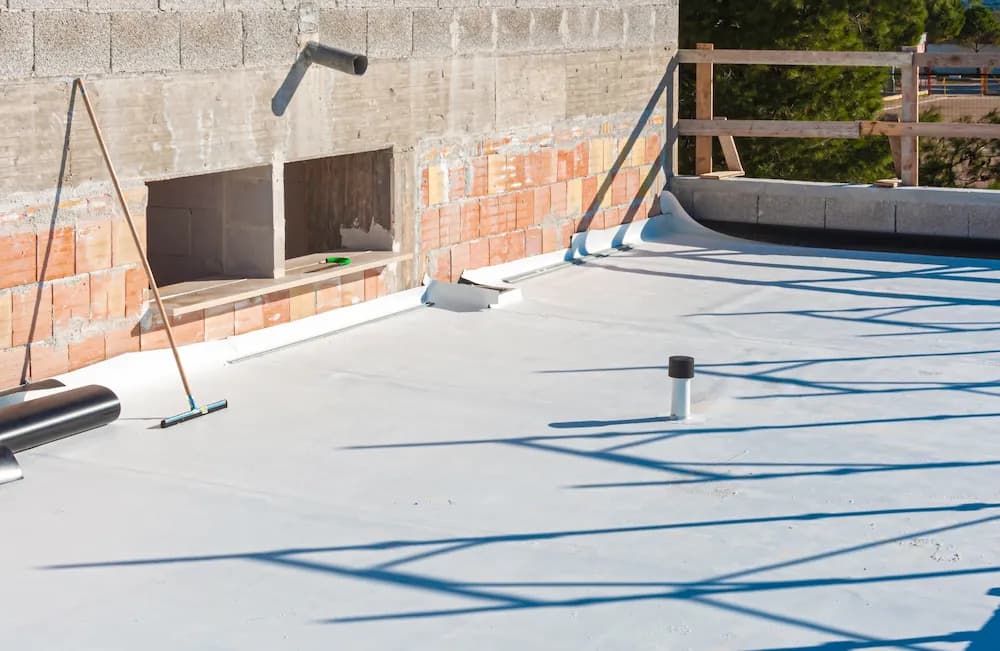
Waterproofing an inner courtyard (lightwell) is one of the most cost-effective fixes when leaks affect flats, shops, or storage rooms. These areas often have drains, tricky junctions, and movement cracks—so small defects quickly become big problems.
Why inner courtyards often leak
Most failures come from:
- Drains and downpipes: poor bonding at the outlet, cracked connections, clogged grates.
- Insufficient falls: standing water accelerates deterioration.
- Wall junctions (upstands, party walls, columns): missing coves or low/weak terminations.
- Floor finishes and joints: loose tiles, open grout lines, cracks in the substrate.
- “Patch” repairs: silicone or random coatings without proper preparation.
In shared courtyards, a blocked drain can cause multi-unit leaks in just a few hours.
How to tell waterproofing failure from a plumbing leak
Before choosing a system, confirm the source:
- Damp that appears after rainfall and near corners/junctions is usually waterproofing-related.
- Damp that appears without rain or matches water use (cleaning, appliances) may be a pipe leak.
- Typical waterproofing symptoms: efflorescence, flaking paint/plaster, stains that worsen after storms.
At Impermyna, we typically start with drain inspection, controlled water testing, and a close look at perimeter details—so you don’t “waterproof blindly”.
Waterproofing options for a lightwell (from least to most invasive)
1) Overlay waterproofing (without lifting the floor finish)
Suitable when the finish is stable and adhesion can be guaranteed.
- Polyurethane liquid membrane (with mesh at critical points): elastic and seamless.
- Reinforced liquid systems for joints and perimeters.
Key points:
- Mechanical prep/cleaning, correct primer, and proper crack treatment.
- Upstands on walls and sealed junctions.
2) Lift the finish and rebuild falls (often the “long-term” solution)
Recommended when there’s ponding, loose tiles, or a degraded substrate.
- Controlled demolition and reforming falls.
- Waterproofing with bitumen membrane or a synthetic membrane, depending on the case.
- Protection layer and new finish (tiles, screed, pavers, etc.).
3) Critical details: drains, coves, and terminations
In inner courtyards, success is mostly about details:
- Drain outlet: compatible flange, perimeter reinforcement, watertightness test.
- Cove fillet at floor-to-wall junctions to avoid sharp angles.
- Terminations: adequate height, termination bar/profile, elastic seal.
Common mistakes (and how to avoid them)
- Applying “waterproof paint” over dirt or moisture: poor bond and early peeling.
- Not correcting falls: the system ages faster.
- No wall upstand: lateral ingress appears.
- Sealing only the drain edge without treating the surrounding area: it fails again.
- Ignoring movement joints/cracks: missing mesh/bands and elastic detailing.
Typical cost range to waterproof an inner courtyard
Pricing depends on access, area, substrate condition, and whether demolition is needed.
- Liquid overlay system on a small/medium courtyard: mid-range.
- Full removal + new falls: higher range, but usually delivers a longer service life.
When comparing quotes, ask for:
- Substrate preparation and crack repairs.
- Drain and junction detailing.
- Layer build-up, consumption rates (kg/m²), and reinforcements.
- Warranty terms and maintenance requirements.
Apartment buildings in Madrid: what to keep in mind
In Madrid, inner courtyards are often common elements affecting multiple units. To reduce disputes:
- Document damage and likely origin (inspection/report).
- Choose a solution that treats the whole area, not only the visible stain.
- Plan works in phases if access is difficult or there are ground-floor premises.
Quick decision checklist
- Ponding water? → you likely need new falls.
- Loose/hollow tiles? → lifting is safer.
- Is the drain properly detailed and accessible? → prioritize it.
- Active cracks? → insist on elastic systems and reinforced detailing.
If you’re dealing with leaks in an inner courtyard/lightwell in Madrid or Toledo, Impermyna can inspect the area and propose the most suitable solution—overlay where feasible, and robust detailing where it’s not.
Need help with your waterproofing project?
Our team can review your case and recommend the best long-term solution.
Request a quote