Guides
Community waterproofing projects: steps, approvals, and documents to avoid disputes
Impermyna7 min read
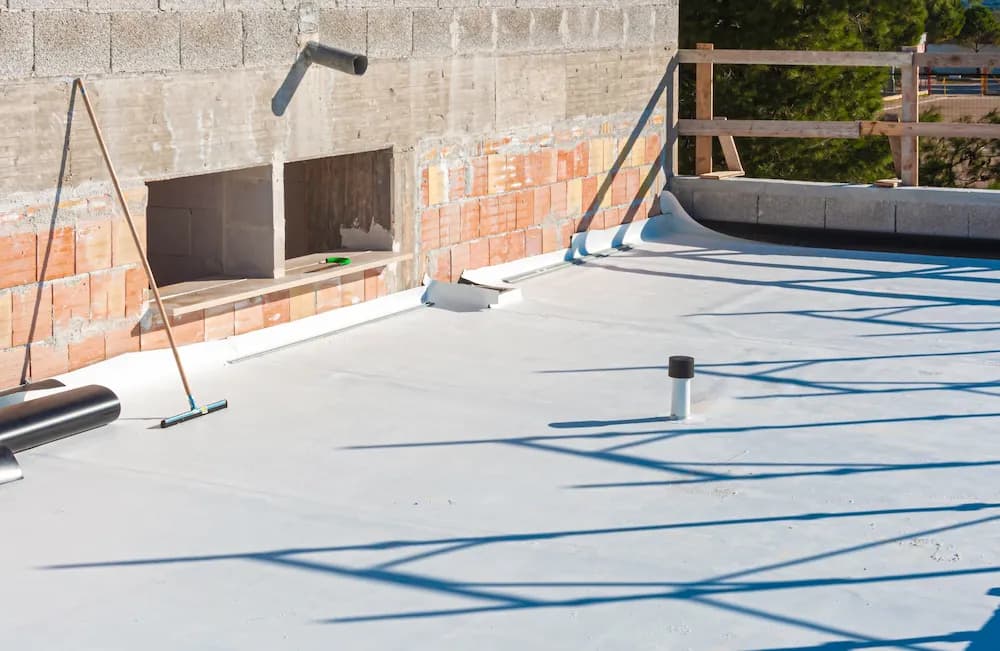
A community waterproofing project can fail even with good materials if approvals, permits, and documentation are poorly handled. In homeowner communities, that often leads to delays, unexpected assessments, neighbor disputes, or warranty headaches.
1) Before choosing a solution: diagnose and define the source
Before requesting quotes, clarify what is a common element (roof/terrace slab, parapets, drains, downpipes, junctions) and what damage exists (leaks, damp stains, spalling, mold, electrical issues).
- Ask for a technical visit focused on critical points: drains, joints, perimeters, junctions with rooftop rooms, skylights, and service penetrations.
- Request a written diagnostic report with photos and a proposed system (not just a patch).
A proper diagnosis prevents the typical “it comes from your terrace” vs “it comes from the roof” conflict.
2) Community approvals: what to vote on and how to record it
To reduce disputes, the key is approving the scope and recording it clearly in the meeting minutes.
- Define the exact scope: areas included, detailing, drains, replacement of damaged parts, watertightness testing, and final protection (tiles, gravel, self-protected membrane, etc.).
- Approve the quote, timeline, payment plan/special assessment, and a responsible point of contact (chair/manager/committee).
- If private-use terraces are involved, state what will be done and who restores finishes.
3) Permits: when you may need them
In many municipalities, waterproofing is handled as a minor work notice or a responsible declaration, but requirements depend on scope.
- If you need scaffolding, public space occupation, slope changes, parapet/railing works, or structural intervention, specific permitting is more likely.
- Ask the contractor to confirm which municipal process applies and what they will provide.
4) Documents to request from the contractor (must-have)
For a community, “trust” means clear paperwork. Request:
- A detailed quote: m², singular points (drains, parapets, joints), substrate prep, and final protection.
- Technical datasheets for the system and main products (membrane, resin, polyurea, etc.).
- An execution plan: phases, curing times, usage limitations (foot traffic, rain), waste management.
- A written warranty: years, what it covers (materials/workmanship), reasonable exclusions, and how to report issues.
- Valid public liability insurance.
- Health & safety documentation (and coordination if required).
- A handover record and photo report of key details (especially junctions and terminations).
5) How to compare quotes without falling for the cheapest option
Two offers can look similar but be technically different. Check:
- Substrate preparation: does it include repairs, priming, and slope corrections?
- Detailing: reinforcements at perimeters, coves, joints, drains?
- Real thickness/consumption (liquid systems) or membrane type and overlaps (sheet systems).
- Final protection: will the system be UV-exposed? is mechanical protection included for traffic?
- Realistic timelines and a rain contingency plan.
6) Responsibilities: what if it leaks again
In communities, the priority is traceability:
- Under warranty, start with written notice (email + formal record/minutes) and a site review.
- If a later installation (antennas, solar, HVAC) caused damage, require that third party to reinstate the waterproofing using the same system or a compatible one.
- Store all documents in the community file: minutes, quotes, invoices, datasheets, and photos.
7) Basic maintenance after waterproofing
Waterproofing lasts longer with simple care:
- Periodic cleaning of drains and gutters.
- Annual checks of joints, parapets, terminations, and penetrations.
- Avoid uncontrolled drilling (awnings, railings, equipment).
8) A common scenario: shared roof terraces and heavy use
In many buildings, shared roof terraces see frequent foot traffic. The most common failures are not mysterious: they’re typically at parapet junctions, poorly detailed drains, or partial repairs without continuity. A well-approved, well-documented project reduces neighbor conflict and speeds up response if an issue appears.
Quick checklist for the community
- Photo-based diagnosis and clear scope
- Meeting approval + detailed minutes
- Municipal process defined
- Detailed quote + datasheets
- Written warranty + liability insurance + safety docs
- Handover record + final photos
If your community needs roof or terrace waterproofing, Impermyna can help you define the scope, compare solutions, and prepare the documentation so the job is done right—and properly closed out.
- #homeowners association
- #waterproofing
- #quotes
- #warranty
- #permits
- #building inspection