Leak detection sensors help you monitor dampness and act before a leak damages the waterproofing system, insulation, or interior finishes. For homes, commercial units, and homeowners associations, they’re a practical way to move from “fix it when the stain appears” to prevention.
What a leak detection system is (and what it can measure)
Depending on the setup, a system may measure:
- Water presence (contact): detects water at a specific point.
- Relative humidity and temperature: useful to flag condensation risk and persistently damp areas.
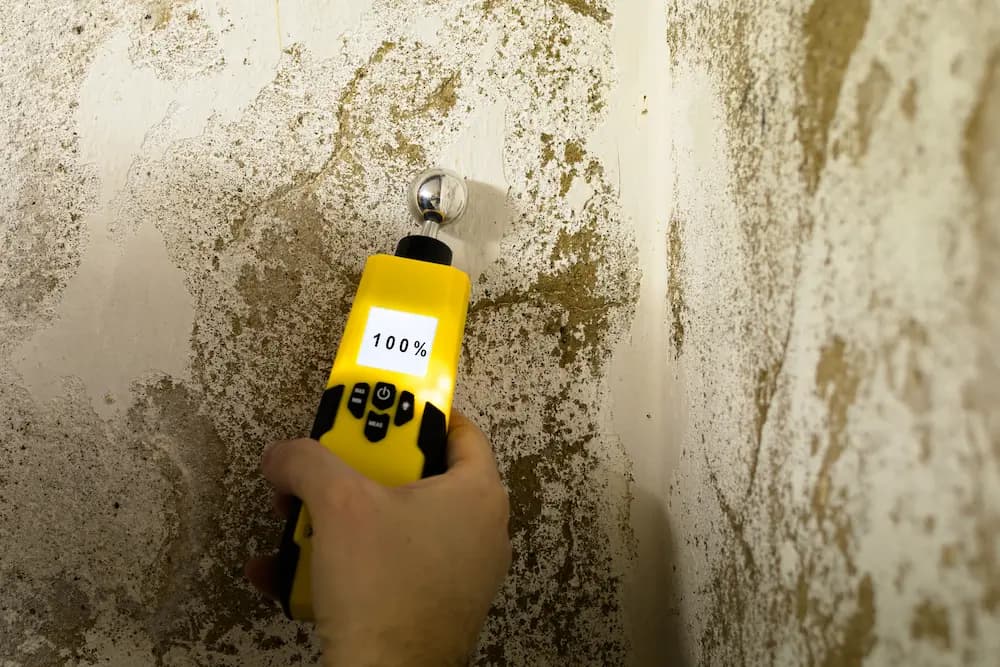
- Moisture in materials (probes): indicative readings in walls, ceilings, or slabs.
- Water use/flow (smart meters): detects abnormal consumption patterns consistent with a leak.
Key point: a sensor does not replace a properly designed and installed waterproofing system; it helps detect issues early and narrow down the affected area.
Where sensors make the most sense (use cases)
Roofs and terraces
- At low points (near drains/scuppers, junctions with parapets).
- In rooftop plant rooms (HVAC units, valves, drip trays).
- On shared terraces with many details (doors, joints, penetrations).
Garages and storage rooms
- Areas with recurring seepage marks or cold joints.
- Near sump pumps, inspection chambers, and drainage points.
Bathrooms, kitchens and technical rooms
- Under washing machines/dishwashers, water heaters, and manifolds.
- Above suspended ceilings carrying pipework (especially over retail units).
Multi-unit buildings: meter rooms and risers
- Floor sensors in meter rooms.
- Consumption monitoring to spot leaks in risers or branches.
Sensor types and how to choose
Point (contact) sensor
- Pros: low cost, simple, ideal for “critical points”.
- Cons: if water doesn’t reach that exact point, it won’t trigger.
Rope/cable (linear) sensor
- Pros: covers perimeters (e.g., around equipment or drip trays).
- Cons: needs careful installation and mechanical protection.
Humidity/temperature sensors (ambient)
- Pros: good for trending and threshold alerts.
- Cons: they don’t confirm liquid water; interpretation matters.
Smart meter / flow monitoring
- Pros: can reveal “invisible” plumbing leaks.
- Cons: doesn’t pinpoint the exact location; relies on pattern analysis.
Installation tips so it actually works
- Define the goal: early warning, localization, or both.
- Pick true risk points: junctions, drains, penetrations, wet rooms.
- Reduce false alarms: keep sensors away from routine washdowns, splash zones, or known condensation spots.
- Connectivity: Wi‑Fi/LoRa/4G depending on coverage (Wi‑Fi often struggles in garages and plant rooms).
- Power: batteries (maintenance) vs. wired power (installation work).
- Response plan: who gets the alert, when, and what steps to follow.
What to expect (and what not to)
What monitoring can deliver:
- Faster alerts to limit damage (paint, plaster, ceilings, furniture).
- Event history to correlate with rain, cleaning, irrigation, or usage.
- Better prioritization for roof and terrace maintenance.
Common limitations:
- It won’t “fix” the leak—only detect it.
- On roofs, water can travel within layers and show up far from the source.
- In humid environments, RH sensors may trigger without an actual leak.
Typical cost drivers and maintenance
Without naming specific brands, cost depends on:
- Number of points (spot sensors vs. linear cable).
- Communications (gateway, SIM, platform).
- Integration with the building’s maintenance routine.
Minimum recommended maintenance:
- Alarm and battery test every 6–12 months.
- Re-check after refurbishments, equipment changes, or heavy rain events.
Madrid and homeowners associations: why it fits especially well
In Madrid, many buildings manage shared terraces, rooftop plant areas, and heavily used garages. A well-planned leak detection setup helps:
- Reduce emergency callouts and incident severity.
- Document issues for board decisions.
- Act before water affects neighbors or ground-floor units.
Next step
If you want to know where to place sensors in your building and how to combine them with a waterproofing inspection (roof, terrace, or garage), Impermyna can help you define a monitoring and preventive maintenance plan in Madrid and Toledo.
Need help with your waterproofing project?
Our team can review your case and recommend the best long-term solution.
Request a quote