Skylight waterproofing on roofs is one of the most common sources of leaks. In most cases, the skylight itself (glass/polycarbonate) isn’t the problem—the failure is in the perimeter flashing and terminations (laps, upstands, sealants, and junctions with tiles, metal, or parapets). If you’re seeing stains around a skylight, this guide explains where leaks start and how to fix them properly.
Why skylights leak (usually at the perimeter)
Typical weak points include:
- Insufficient laps of the roof membrane (bitumen/EPDM/TPO/PVC) onto the skylight upstand.
- Missing or poorly installed termination bar/reglet to clamp the membrane on the vertical.
- Aged sealants due to UV exposure (wrong silicone, unprotected mastic).
- Ponding water from poor falls or nearby drainage issues.
- Through-fixings (screws) without proper sealing washers or with cracked grommets.
- Tile/metal junctions solved with “just sealant” instead of proper step flashing.
A skylight can be in perfect condition and still leak because the flashing detail 2 cm away is wrong.
Quick diagnosis: how to pinpoint the entry point
Before repairing, confirm the source:
- Leaks after wind-driven rain often indicate side/top junctions.
- Leaks after long steady rain often point to ponding or a low-side lap.
- Check the inside corners of the upstand/frame—leaks commonly start there.
- Look for cracked sealant and loose termination bars.
If uncertain, a controlled hose test by zones (without excessive pressure) can help isolate the failure.
Recommended solutions by roof type
The key is to rebuild the termination system—not to “re-silicone” the outside.
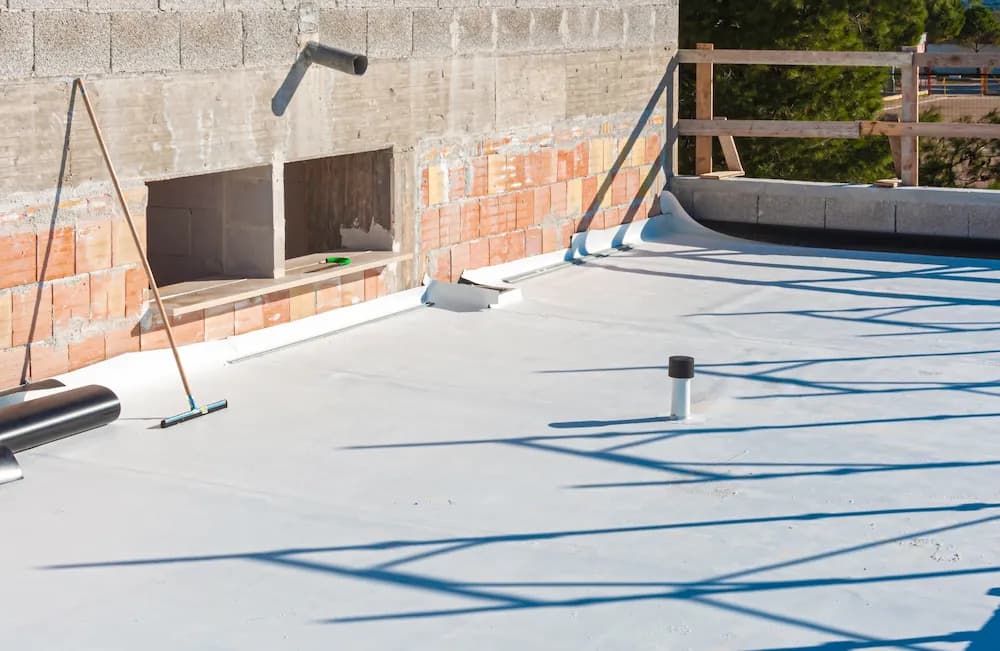
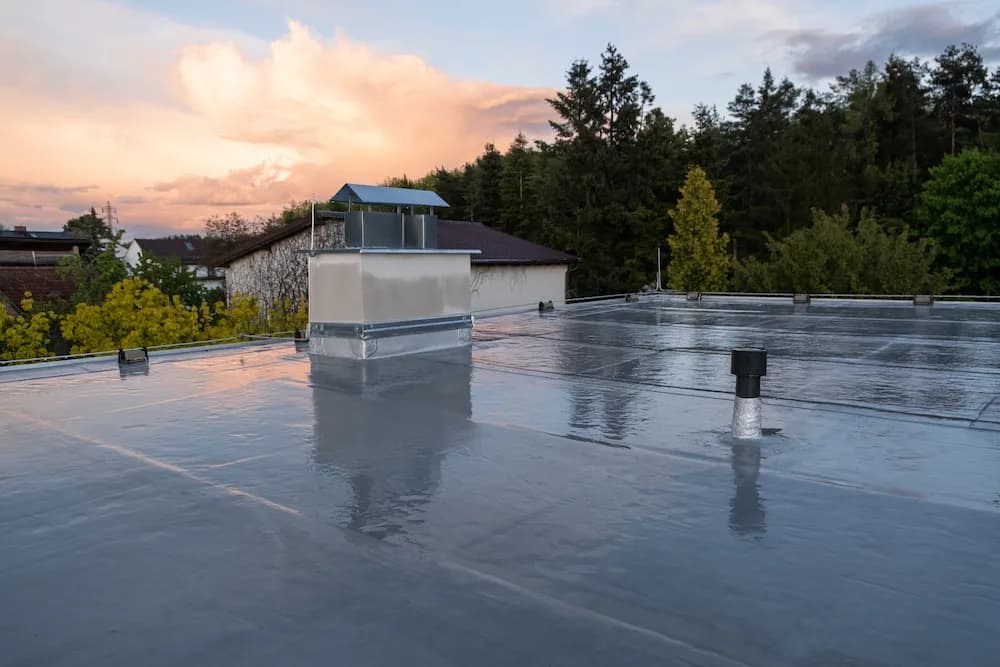
Flat roofs with membranes (bitumen, EPDM, TPO/PVC)
A typical professional fix:
- Remove failed details and prepare the substrate.
- Form a proper perimeter upstand and fillet/cove at the angle.
- Turn the membrane up the vertical and secure it with a termination bar + compatible seal.
- Add counterflashing/capping (metal flashing) to shed water and protect the seal.
Tiled roofs
This is where patching fails most often:
- Install a bottom apron flashing and step flashings on the sides integrated with the tiles.
- Provide a top detail that blocks wind-driven rain (a proper head flashing).
- Ensure water is not being guided into the opening; check nearby valleys.
Metal roofs or sandwich panels
Common critical points:
- Fasteners and panel joints.
- Perimeter flashing with butyl tape and correct profiles (not foam alone).
- Allow for thermal movement: use compatible elastic sealants for metal.
Common mistakes (and how to avoid them)
- Smearing sealant without rebuilding the detail: short-lived and can worsen drainage.
- Mixing incompatible products (sealants that don’t bond or damage membranes).
- Leaving sealant exposed to UV: it cracks quickly.
- Insufficient upstand height: debris, snow, or ponding pushes water in.
- Ignoring the root cause (falls, drains, buildup): the leak returns.
What a skylight leak repair quote should include
To compare proposals, ask for:
- The flashing/termination system and specific materials.
- Corner and junction treatment.
- Check of nearby falls/drains.
- Final verification or watertightness check.
- Written warranty.
Apartment buildings in Madrid: when to intervene
In Madrid, many shared roofs have skylights over stairwells, courtyards, or common areas. For recurring leaks, the most efficient approach is usually:
- Repair the entire perimeter detail, not isolated “spots”.
- Inspect all skylights on the same roof—details are often identical.
- Schedule works before autumn/winter to avoid damage to ceilings, plaster, and services.
Need help with a leaking skylight?
If your skylight is leaking, Impermyna can inspect the flashing, identify the entry point, and propose a long-lasting solution tailored to your roof in Madrid or Toledo. Get in touch for a no-obligation visit.
Need help with your waterproofing project?
Our team can review your case and recommend the best long-term solution.
Request a quote