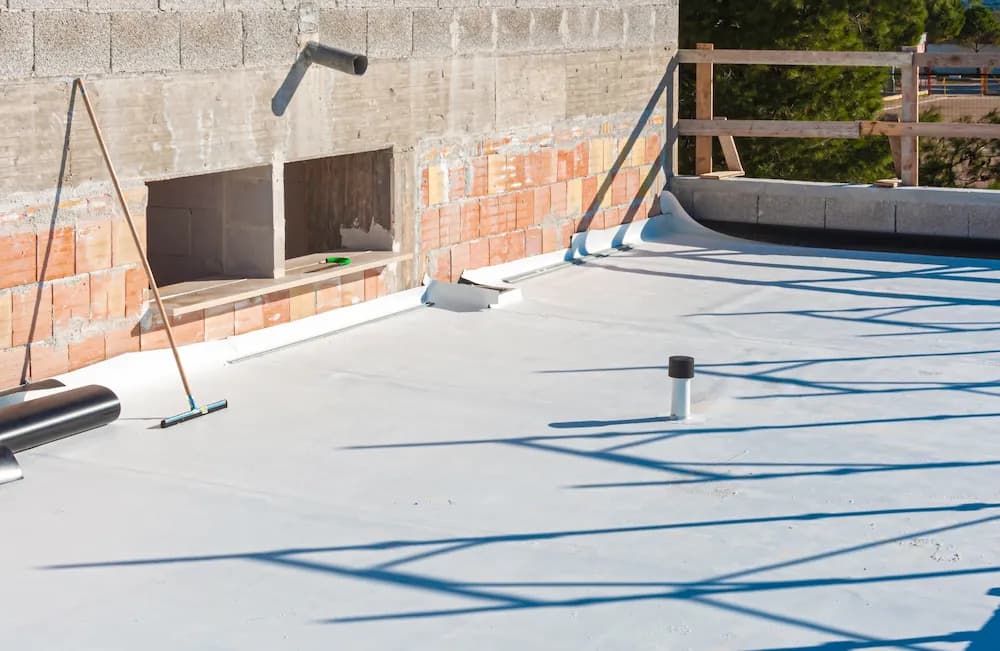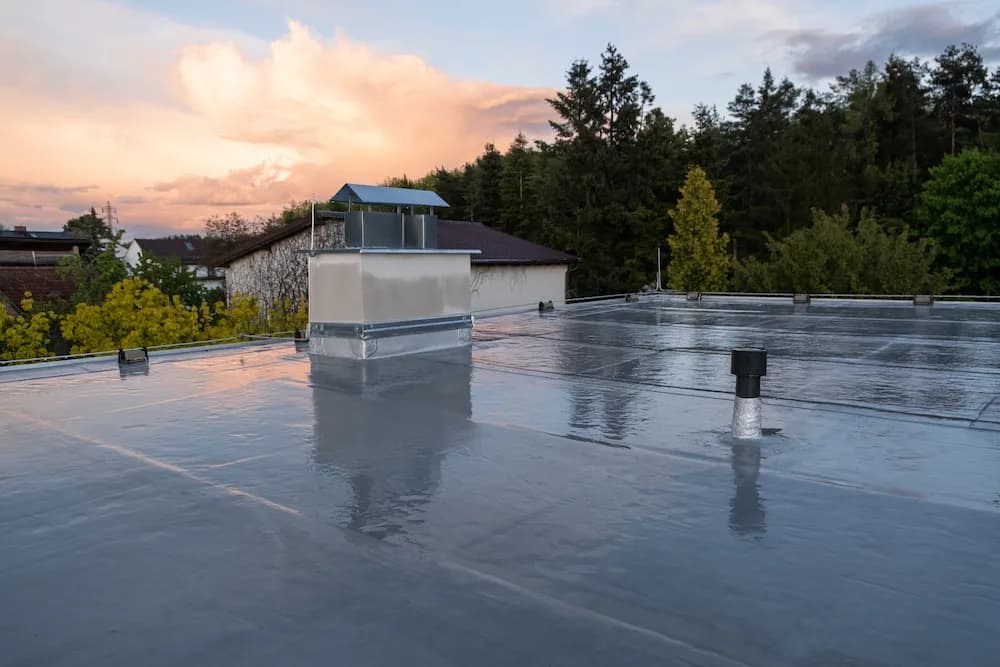
Blisters and bubbles in waterproofing are one of the clearest signs that something isn’t right on a roof or terrace. They don’t always mean an active leak today, but they often point to trapped moisture, poor adhesion, or an unstable substrate that—under heat and movement—can eventually let water in.
What blisters are (and why they matter)
A blister is a localized “bulge” in a membrane or coating (bitumen felt, liquid-applied membranes, etc.). It typically forms due to:
- Water vapor pressure pushing from below
- Air or solvents trapped during application
- Loss of adhesion caused by dust, dirt, or insufficient primer
A blister isn’t just cosmetic: it can rupture under foot traffic, hail, or heat and become a direct entry point for water.
The most common causes of bubbles on roofs and terraces
Moisture in the substrate before waterproofing
This is the #1 cause. If a membrane is installed over a damp screed (or without a vapor barrier when needed), sunlight heats the roof and vapor tries to escape—lifting the membrane.
Missing or wrong primer
For fully bonded systems (bitumen, polyurethane, etc.), an incorrect or poorly applied primer reduces adhesion and makes air pockets more likely.
Installation under poor conditions
- Very high temperatures (surface “skins” too fast)
- Applying on a hot surface under direct sun
- High ambient humidity or dew risk
Contaminated or poorly prepared substrate
Dust, cement laitance, release agents, poorly bonded old paint, or efflorescence can prevent proper bonding.
Bad detailing at critical points
Weak detailing at parapets, drains, movement joints, or penetrations can allow small water ingress that later “inflates” nearby areas.
How to tell if it’s a serious issue
Before you “puncture and patch,” check:
- Location: near drains, parapets, joints, or penetrations?
- Scale: a few small blisters vs. widespread bubbling
- Sound: does it sound hollow (debonded) when tapped?
- Moisture: if opened, is there liquid water or damp odor?
- Progression: if it grows in summer heat, vapor/moisture below is likely
In multi-owner buildings, problems often worsen during heat waves: the roof moves more, vapor pressure increases, and blisters multiply when the original build-up didn’t include proper vapor control or ventilation.
Fixes by scenario (and what NOT to do)
1) Isolated blisters and the rest of the system is sound
Typical approach:
- Controlled cross-cut (without damaging the substrate)
- Proper drying (not just a quick air-out)
- Compatible patch and fully sealed perimeter
- Reinforcement if there’s cracking or a weak detail
Avoid:
- Sealing over the top without removing moisture (it will come back)
- Using incompatible mastics with the membrane
2) Many blisters or widespread debonding
This usually needs a larger intervention:
- Partial or full removal of the affected system
- Check falls, substrate condition, and critical details
- Add a vapor barrier (where required) and rebuild with the right system
- Re-waterproof with a compatible solution (bonded, semi-bonded, or inverted build-up)
3) Blisters caused by ongoing substrate moisture
If moisture is coming from the structure itself (wet slab, poorly cured screed, previous leaks), you must:
- Identify the real source (lateral ingress, condensation, moisture at junctions)
- Fix it before closing everything again with a new membrane
How to prevent bubbles in a new waterproofing job
- Verify substrate moisture and respect curing times
- Match primer and system to the substrate and use (traffic/no traffic)
- Reinforce critical details (drains, parapets, joints)
- Avoid application on sun-heated surfaces
- On complex roofs, consider ventilated or inverted build-ups where appropriate
When to call a professional
- Blisters near drains or junctions
- Hollow-sounding areas across larger zones
- Interior staining, leaks, or persistent damp smell
- Shared roofs where diagnosis and repair need proper reporting
If you’re seeing blisters or bubbles in your waterproofing on a terrace or roof, Impermyna can help you identify the real cause and propose a long-lasting repair—not just a quick patch.
Need help with your waterproofing project?
Our team can review your case and recommend the best long-term solution.
Request a quote