Roof waterproofing is often the most effective way to stop a leak at its source—especially when water enters through valleys, chimney flashings, roof penetrations, or failing gutters rather than a single broken tile. This guide explains how to pinpoint the entry point and what repairs typically work without rebuilding the entire roof.
Why roof leaks happen (and why it’s not always “a broken tile”)
On pitched roofs, water can travel a long distance before it shows up indoors. The most common causes are:
- Cracked, slipped, or poorly overlapped tiles after wind or frost.
- Roof valleys with open laps, cracks, or aged materials.
- Junctions at chimneys, parapets, skylights, or antenna bases with poor flashing.
- Clogged or badly pitched gutters: overflow pushes water back under the eaves.
- Deteriorated ridge mortar and edge details.
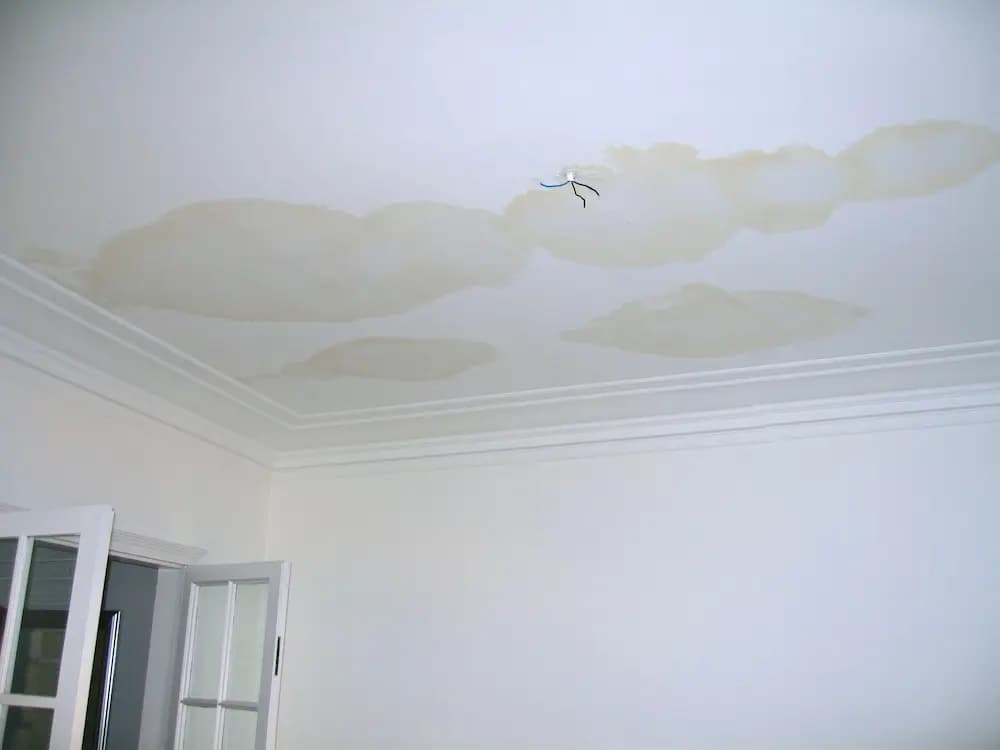
Key point: covering the interior stain doesn’t solve the leak—moisture will keep spreading and can damage insulation, timber, or slabs.
How to locate the real water entry point
Before choosing a system, follow a structured inspection:
- Check the roof after rainfall (only if safe) and look for runoff marks and dirt lines.
- Inspect gutters, downpipes, and outlets: leaves and sludge are frequent culprits.
- Focus on valleys, ridges, and junctions—most failures occur there.
- Indoors, follow the trail: staining and mould can guide you, but the leak is not always directly above.
Common roof waterproofing solutions (based on the cause)
Local tile replacement and fixing review
Best when the issue is isolated and the substrate is sound.
- Replace damaged tiles.
- Correct overlaps and check hooks/fixings.
Waterproofing valleys and junctions (often the best value repair)
If the leak comes from a valley or a junction, addressing that detail is usually more effective than “patching tiles”.
- Renew the valley lining or rebuild the channel correctly.
- Reinforce with membranes/bands at critical points.
- Install watertight flashings at chimneys and skylights.
Gutter and eaves rehabilitation
When overflow or backflow is involved:
- Clean and correct falls.
- Replace deformed sections.
- Seal joints and check downpipes.
Liquid-applied membrane / continuous waterproofing in specific areas
Useful in complex zones (many junctions) or where extensive dismantling isn’t practical:
- Creates a continuous layer that seals micro-cracks.
- Particularly effective on flashings, parapets, and hard-to-detail areas.
Signs a small repair won’t be enough
Consider a broader intervention if you have:
- Widespread tile deterioration or rotten substrate.
- Repeatedly wet insulation.
- Leaks appearing in multiple spots each season.
- Previous repairs that only last a few months.
Tips for HOAs and residential buildings in Madrid
In Madrid, many communities delay action until leaks affect several flats. To avoid larger costs:
- Schedule an annual inspection before autumn (rain and wind season).
- Prioritise valleys, chimneys, parapets, and gutters—most water entry points are there.
- Keep photos and a short report to support approvals at HOA meetings.
Common mistakes when fixing roof leaks
- Using silicone as a quick fix without proper surface prep or diagnosis.
- Replacing tiles without checking valleys and flashings.
- Ignoring gutters: a blockage can look like a “mysterious leak”.
- Poor laps and detailing (wind-driven rain and capillary action matter).
What to ask from a contractor
- A zone-by-zone diagnosis (tiles, valleys, junctions, drainage).
- A clear scope including critical details.
- Written warranty and maintenance guidance.
If you’re dealing with a leaking roof or want to prevent problems before the rainy season, Impermyna can help you identify the source and propose the right waterproofing repair for your roof in Madrid or Toledo.
Need help with your waterproofing project?
Our team can review your case and recommend the best long-term solution.
Request a quote